The Verdict
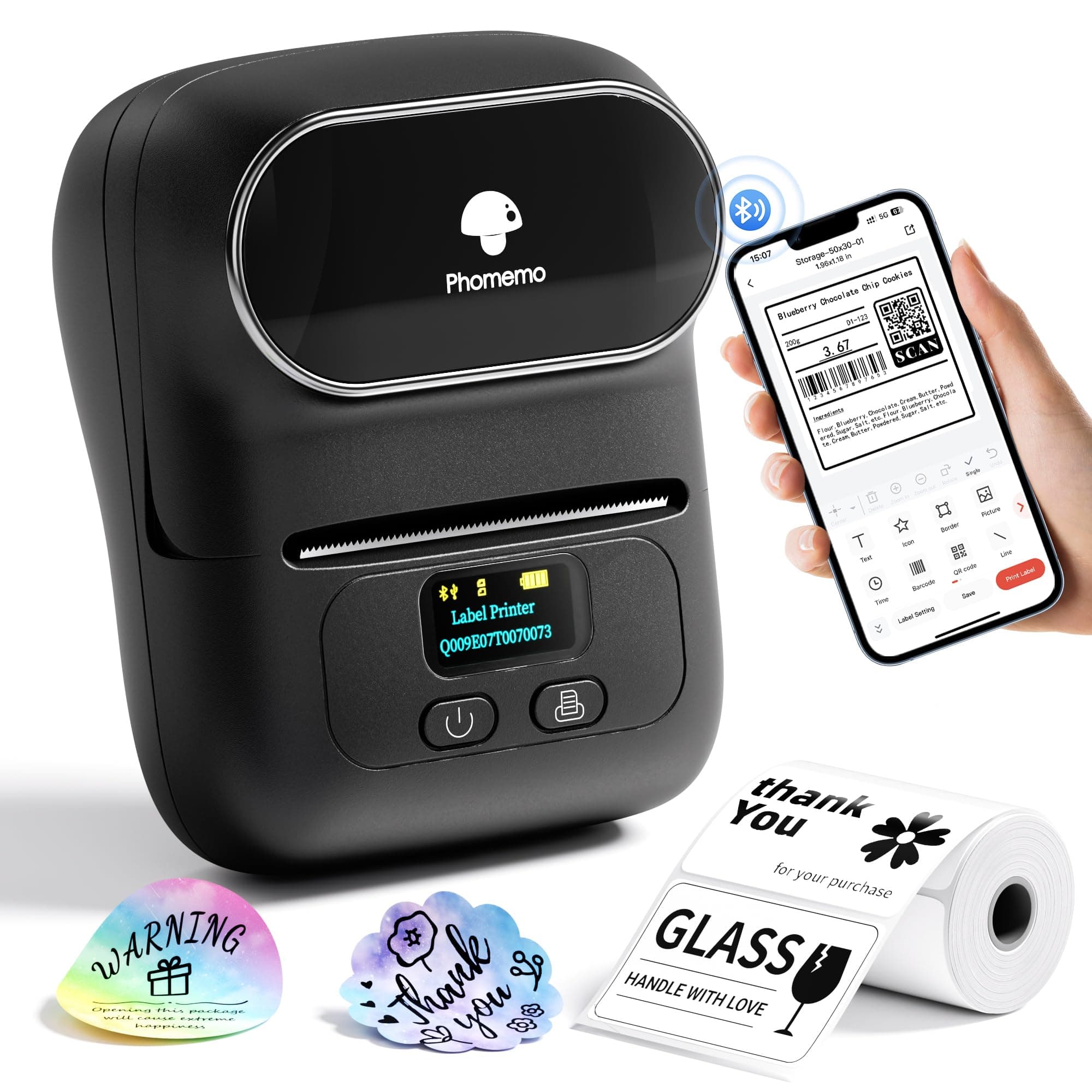
The Phomemo M110 is a classic case of capable hardware being held back by frustrating software. For small businesses, crafters, and home organizers drawn in by viral TikToks, its portability, inkless printing, and low entry price are undeniably appealing. It successfully prints custom logos, barcodes, and address labels directly from your phone, fulfilling its core promise. However, the experience is frequently marred by a clunky, unreliable companion app that feels like an afterthought.
For its target user—someone printing a few dozen custom stickers or labels at a time—the Phomemo M110 offers genuine utility at a price that's hard to beat. It's a cost-effective tool with a significant learning curve, primarily centered on wrestling with its software.
Ultimately, it earns a 'Best Value' rating because, despite its flaws, it provides a feature set for around $30 that used to require a much larger investment. Just be prepared for some app-induced frustration along the way.
What Went Viral
With over 10 million views on TikTok, the Phomemo M110 became a star in the #smallbusiness and #packanorderwithme communities. Creators showcased the satisfaction of printing custom logos, thank you stickers, and branding on the fly, directly from their phones. The appeal is obvious: it's a compact, ink-free gadget that adds a professional touch to packaging without the bulk or expense of traditional label makers. Videos highlighting its sleek design and the simple act of peeling and sticking a freshly printed thermal label made it an easy 'TikTok Made Me Buy It' purchase.
What the Comments Actually Say
While the hype on TikTok is strong, a deeper look at user feedback reveals a more complicated picture. The praise seen in viral videos is genuine but often glosses over recurring technical issues.
On YouTube, creators like CoolRiceBunnies and 'sha' praise the M110's convenience and print quality for basic stickers and notes. However, the channel 'Critical Reviews' dedicated multiple videos to its flaws, pointing out a clunky app, persistent label alignment problems, and connectivity issues.
Reddit threads in communities like r/printers echo these frustrations in greater detail. Users frequently report problems with the printer failing to correctly sense the edge of labels, especially circular ones, leading to misprints and wasted paper. One user, frustrated by the official app's permissions and limitations, even developed their own web-based label designer as a workaround.
The most consistent complaint across all platforms is directed at the mandatory 'Print Master' app. Users describe it as unintuitive, prone to crashing, and a significant bottleneck to an otherwise simple process. Reports of essential features being moved behind a subscription have also soured the experience for many.
Technical Comparison
The Phomemo M110's main advantage over standard label makers from brands like Brother or Dymo is its use of generic, inexpensive thermal labels instead of costly proprietary cartridges. Its reliance on a Bluetooth-connected app offers more design flexibility than the tiny keyboards and screens on many traditional models. It's also rechargeable via USB-C, adding to its modern convenience.
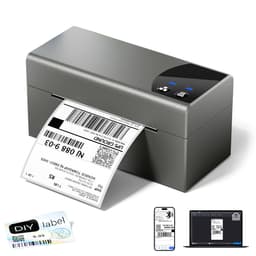
However, this comparison also reveals its biggest limitation. The M110 has a maximum print width of 50mm (about 2 inches). This makes it ideal for small product labels, barcodes, or address labels, but completely unsuitable for standard 4x6 inch shipping labels. Businesses will still need a separate, larger thermal printer for their actual shipping needs. Traditional label makers, while sometimes bulkier, often offer a wider range of durable tape materials for different applications.
The Catch
The single biggest catch is the complete dependence on the 'Print Master' companion app. You cannot use this printer without it, and the app is the source of nearly every major user complaint. From Bluetooth disconnections to poor design UIs and alignment bugs, the software actively detracts from the hardware's potential. Any updates that change features or introduce a subscription model can fundamentally alter the product you thought you bought, creating a long-term risk for users who rely on it for their business.