The Verdict
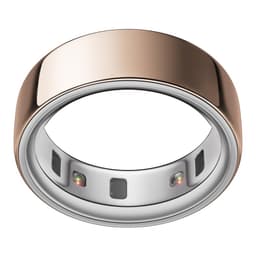
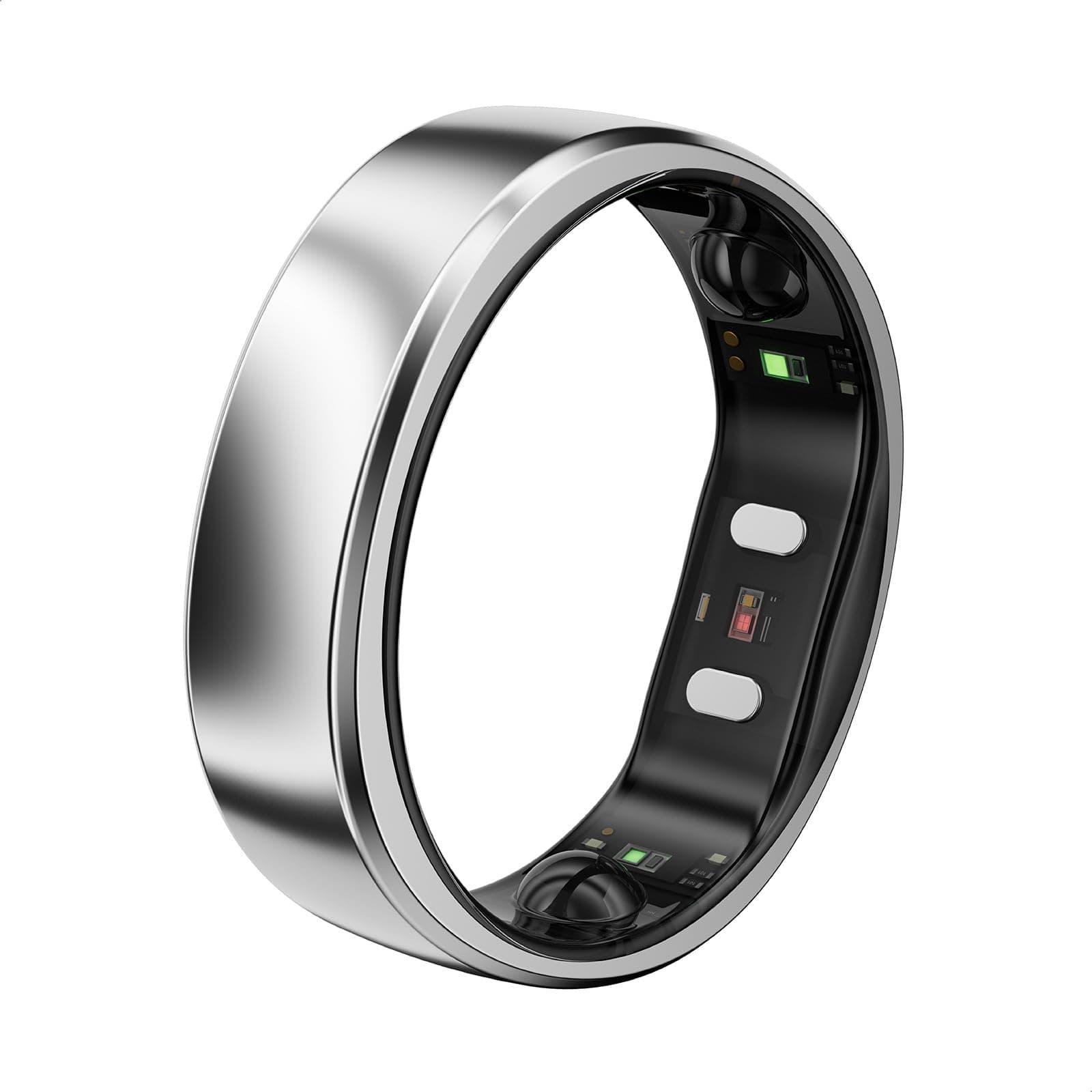
The RingConn Gen 2 Air positions itself as the smart-buy alternative to premium health trackers like the Oura Ring, and for a specific user, it delivers. With an impressive 10-day battery life, a comfortable and lightweight design, and zero subscription fees for its core features, it excels as a passive sleep and general wellness monitor. However, its identity crisis becomes apparent the moment you start a workout. Widespread user reports of inaccurate fitness and heart rate tracking during exercise make it a poor choice for serious athletes or anyone needing reliable activity data. It's a great sleep tracker, but a compromised fitness device.
What Went Viral
Garnering over 3.4 million views on TikTok, the RingConn Gen 2 Air's appeal is simple and powerful: it offers the core smart ring experience without the financial commitment. The two main viral drivers are its $199 price tag and, crucially, the absence of a monthly subscription fee, a major pain point for users of its primary competitor, Oura. Influencers and tech reviewers highlight its marathon 10-day battery life and sleek, ultra-thin design, presenting it as the perfect entry point for the 'bio-hacking' curious who want to optimize sleep and monitor stress without being locked into another recurring payment.
What the Comments Actually Say
Across Reddit, YouTube, and Amazon, a consistent narrative emerges: the RingConn Gen 2 Air is a product of two halves. On one hand, users praise its fundamental hardware and wellness features. An Amazon reviewer, happy to avoid the Oura price tag, noted it "does the trick PERFECTLY" for tracking sleep, oxygen levels, and basal temperature. This is echoed on Reddit, where commenters in r/RingConn frequently praise the lightweight comfort, with one stating it "feels like wearing nothing at all most of the day." The battery life is another consistent win, with many users confirming it lasts the advertised 9-11 days.
However, the praise often stops when the topic turns to fitness. This is the product's most significant and frequently cited weakness. A Reddit user in r/RingConn bluntly stated, "Rings are not good at tracking exercise," a sentiment repeated across platforms. A YouTube reviewer, in a "4 Months Honest Verdict" video, called the heart rate tracking during exercise "bad" and "way off" compared to other wearables. Another user in r/SmartRings claimed, "The data is completely bogus and false most of the time."
Other criticisms include reports of battery life degrading significantly after a few months and the lack of a portable charging case, which was a feature of the previous generation.
Technical Comparison
Compared to a standard smartwatch like the Apple Watch, the RingConn Gen 2 Air offers a vastly different user experience. Its primary advantages are its unobtrusive form factor for 24/7 wear and its multi-day battery life, making it far superior for sleep tracking. However, it lacks the GPS, on-screen notifications, app ecosystem, and, most importantly, the reliable, high-fidelity heart rate and activity tracking that are standard on modern smartwatches.
Against its direct competitor, the Oura Ring, the RingConn's main advantage is value. It's cheaper upfront and has no mandatory subscription fee. While both offer similar core sensors for sleep, SpO2, and temperature, Oura is generally regarded as having a more polished app and more robust data analysis, though that comes at a recurring cost. The RingConn is the budget-friendly option, but you trade software refinement and proven fitness tracking for the savings.
The Catch
The central catch is that the RingConn Gen 2 Air is marketed as a comprehensive fitness, sleep, and stress tracker, but it only reliably delivers on two of those promises. Its performance during physical activity is its Achilles' heel. Users seeking a device to accurately log workouts, track heart rate zones during a run, or provide precise step counts will likely be disappointed. It's a wellness tracker, not a fitness tracker, and the marketing blurs that critical distinction.