The Verdict
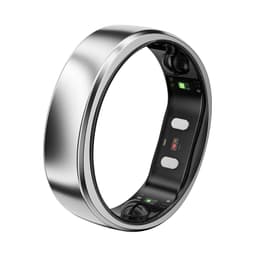
The Oura Ring 4 is a beautifully designed piece of technology that excels at its core promise: providing deep, actionable insights into your sleep and recovery. Its unobtrusive form factor is a genuine advantage over bulky smartwatches. However, its premium $499 price is severely undermined by widespread reports of rapid battery degradation, a controversial mandatory subscription to unlock its best features, and inconsistent activity tracking. While the data it provides can be valuable, the potential for hardware failure within a year makes it a risky, and ultimately overhyped, investment.
What Went Viral
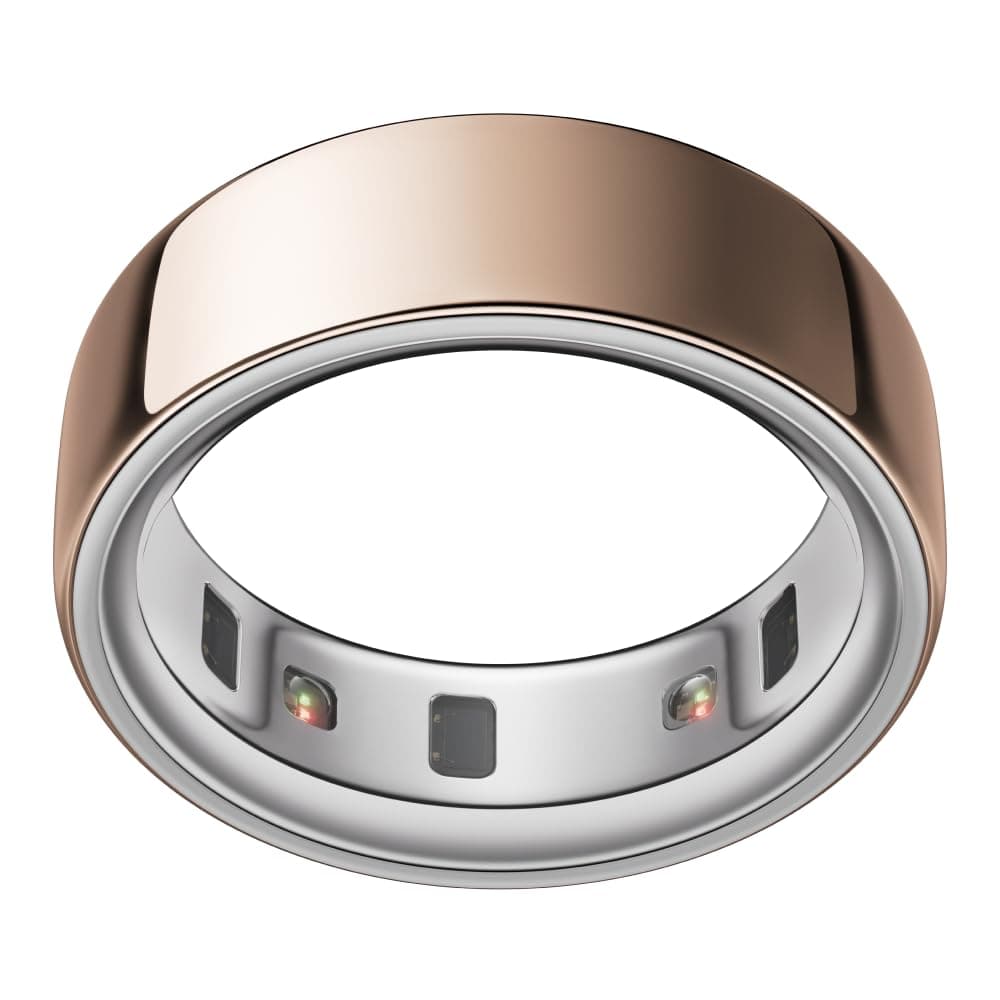
The Oura Ring 4 flooded TikTok feeds as the ultimate accessory for the wellness-obsessed. Creators praised its minimalist aesthetic—especially the popular Rose Gold finish—and its ability to distill complex biometric data into simple, actionable 'Readiness' and 'Sleep' scores. It became a status symbol for those serious about optimizing their health, with videos showcasing its detailed app insights on sleep cycles, body temperature, and stress levels.
However, the ring also went viral for a more negative reason. A significant backlash erupted on TikTok following the announcement of Oura's partnership with data analytics firm Palantir, sparking widespread privacy concerns and leading some influencers to publicly discard their rings in protest.
What the Comments Actually Say
Across social media and review platforms, user sentiment is sharply polarized. While the core concept is praised, significant functional and financial drawbacks are a constant theme.
On Amazon and YouTube, reviewers consistently laud the comfort and design, with one top review stating, "I don't like wearing wrist watches, so having a smart ring is PERFECT for me!" The sleep and recovery tracking are almost universally considered its strongest features. However, even positive reviews often mention the battery life falling short of the advertised 8 days, landing closer to 5-6 days in real-world use.
Reddit is a hotbed for a more critical issue: hardware longevity. Multiple users in the r/ouraring subreddit report catastrophic battery degradation, with one user stating their Oura Ring 4 lasted only 6 months, and its replacement failed after 8. These complaints of rings 'bricking' or 'falling apart' are common and are often paired with frustration over slow customer service.
TikTok comments reflect the broader divide. While some users share positive experiences with its health tracking, many echo the privacy concerns from the Palantir partnership. A specific complaint about the Rose Gold model, confirmed by Oura's support team on Reddit, is that the finish is designed to develop a darker 'patina' over time, which many users perceive as tarnishing or discoloration.
Technical Comparison
Compared to a standard wrist-based tracker like an Apple Watch or Fitbit, the Oura Ring 4's primary advantage is its form factor. It's a passive data collector you can comfortably wear 24/7, especially during sleep, without a bright screen or distracting notifications. Its focus is singular: recovery and readiness, using temperature, HRV, and sleep staging.
Standard smartwatches, in contrast, are active companions. They offer GPS for runs, on-screen workout metrics, and a suite of apps and notifications. Their sleep tracking is often less detailed, and their bulk can be intrusive overnight. The Oura Ring is a specialized recovery tool, whereas a smartwatch is a versatile wrist computer.
The Catch
The core promise of a premium, long-lasting health tracker is broken by what appears to be a significant hardware flaw. The most alarming catch, echoed across numerous user reviews, is the pattern of severe battery degradation that renders the expensive device useless, sometimes in under a year. This, combined with the non-negotiable $6/month subscription fee required to access your own detailed data, creates a frustratingly expensive user experience with questionable long-term reliability.