The Verdict
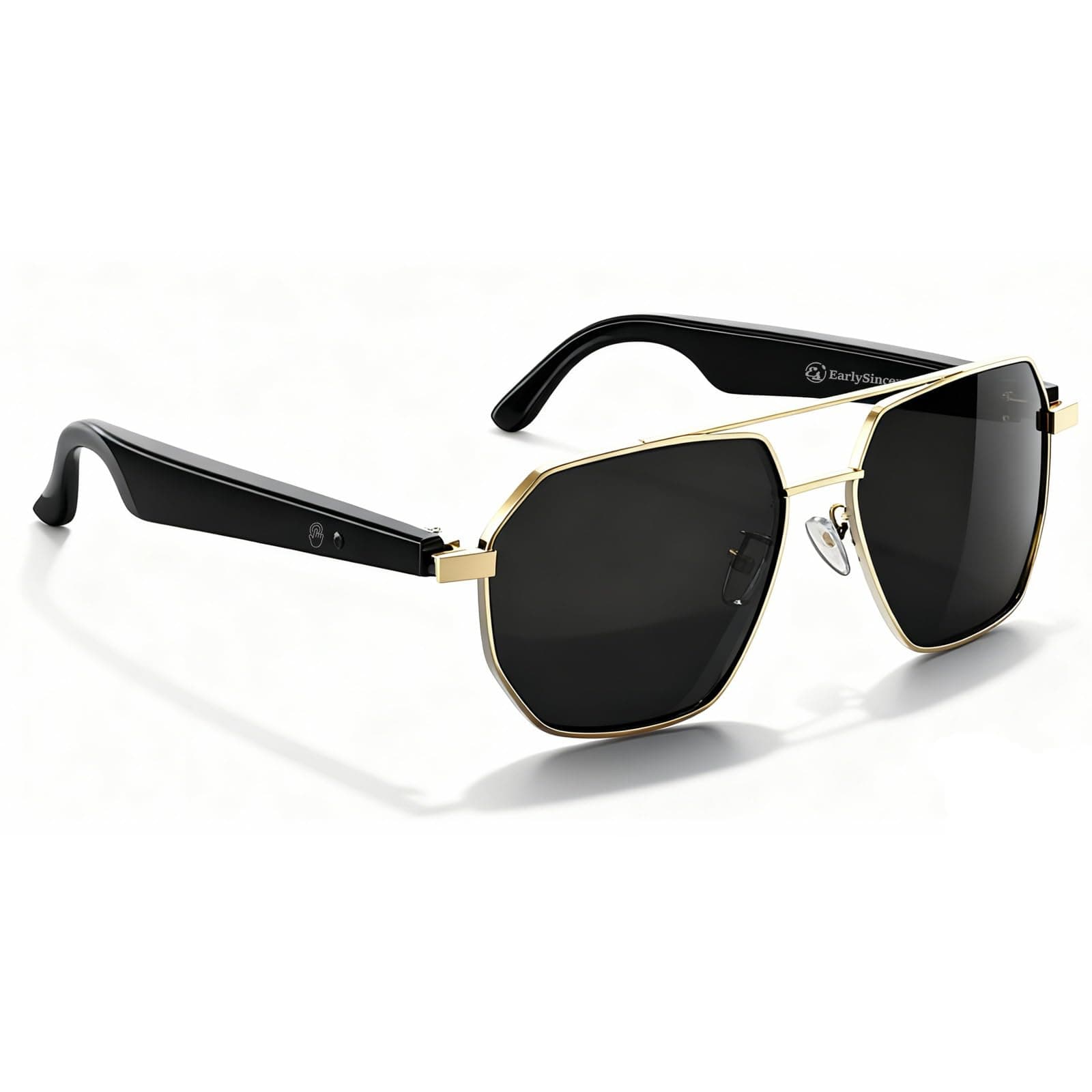
The EarlySincere 2026 AI Smart Glasses land in a tricky spot. With an impressive 4.6-star Amazon rating and a feature list that rivals premium competitors for just $76, they present a tempting proposition. On paper, you get 4K video recording, real-time translation, and an AI assistant, all wrapped in a classic pilot-style frame. For users wanting to dip their toes into the smart glasses ecosystem without the $300+ commitment of a brand like Meta, these seem like a clear winner. However, our analysis reveals a significant trade-off: functionality comes at the potential cost of your personal data.
The core issue isn't whether the glasses work—they mostly do—but rather the complete lack of transparency about what happens to the audio and video they capture. This, combined with reports of inconsistent performance and hardware flaws, makes them a value proposition with a very large asterisk.
What Went Viral
With over 2.3 million views on TikTok, the EarlySincere glasses captured attention by democratizing a futuristic gadget. Videos showcase users seamlessly recording hands-free video, getting instant language translations, and interacting with a voice assistant, all while wearing what looks like a normal pair of sunglasses. The hype is fueled by a simple, powerful message: you can get the 'James Bond' experience seen in Meta Ray-Ban ads for a fraction of the price. Captions are flooded with Amazon affiliate links and discount codes, positioning the glasses as an accessible 'Amazon find' and a must-have gadget deal, amplified by a mix of organic user posts and sponsored content.
What the Comments Actually Say
Beneath the surface-level hype, a more nuanced picture emerges from user feedback across platforms. On TikTok, verified purchasers leave brief but positive notes like, "You can call play music watch vids... and no one can hear what you're watching," though one user noted a practical flaw: "the volume to low."
YouTube reviewers provide the most detailed analysis. While many praise the "surprisingly decent for budget tech" build quality and the novelty of the features, they also raise serious alarms. The most critical point, highlighted by the channel Tinkr, is the product's privacy policy—or lack thereof.
"All AI features require a companion app and constant internet connection, meaning data is processed on external servers. EarlySincere's 'non-existent' privacy policy in their marketing is a 'massive red flag' compared to Meta's disclosures."
Other reviewers note that while the translation feature works, it can have a 1-2 second delay and variable accuracy. The 4K camera is often described as "just average," not quite living up to the marketing. An Amazon reviewer who returned their pair cited two major dealbreakers: "persistent background/static noise during music and calls, and a tight frame that did not fit comfortably."
Technical Comparison
Compared to the industry standard set by products like the Meta Ray-Ban Smart Glasses, the EarlySincere glasses compete aggressively on price and features. Both offer hands-free video capture, open-ear audio, and AI integration. EarlySincere even boasts 4K video and real-time translation with 164 languages, features that sound superior on a spec sheet. The standard, however, is not just about specs, but about the ecosystem, software polish, and brand trust.
Meta's AI is more advanced and integrated, and despite its own privacy controversies, the company provides detailed disclosures about data handling. EarlySincere's AI is entirely dependent on a generic companion app, and its performance is described as less polished. The primary advantage of the EarlySincere glasses is their price—offering a taste of the smart glasses experience for about 25% of the cost of the leading competitor.
The Catch
The promise of affordable, high-tech eyewear conceals a critical flaw: a profound lack of transparency regarding data privacy. For a device equipped with a camera and microphone that captures your daily life, the absence of a clear and accessible privacy policy is a significant risk. Users are trading their personal data for a low price point without knowing how that data is stored, processed, or protected. This isn't just a minor bug; it's a fundamental issue of trust that overshadows the device's otherwise impressive value.