The Verdict
The ARZOPA Z1FC 144Hz portable monitor is a rare case where the viral hype aligns almost perfectly with real-world value. For just over $100, it delivers a high-refresh-rate, color-accurate display that punches far above its weight class, making it an exceptional secondary screen for laptops and a game-changer for portable consoles like the Steam Deck or ROG Ally. While its built-in speakers are practically nonexistent and the lack of an included case for its fragile screen is a significant oversight, these are acceptable trade-offs for the core performance you get. It’s not just a gadget; it's a legitimate productivity and gaming upgrade that democratizes features once reserved for much more expensive hardware.
What Went Viral
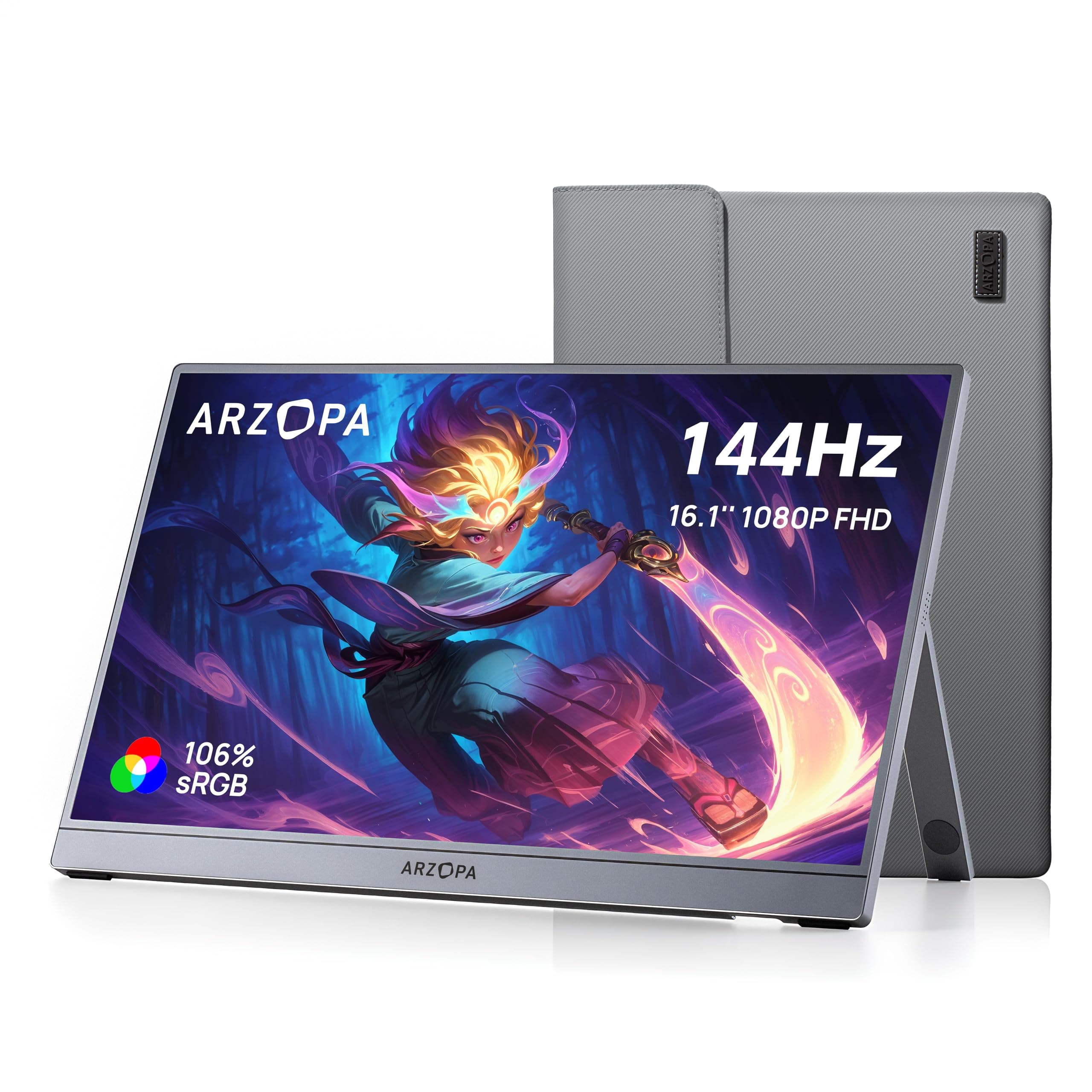
With over 15 million views, the ARZOPA monitor flooded TikTok feeds by hitting a sweet spot of affordability, utility, and visual appeal. Videos typically showcase its effortless plug-and-play setup, often using a single USB-C cable for both power and video, instantly creating a dual-monitor workstation anywhere. Creators highlighted its versatility, seamlessly switching from a coding setup with a MacBook to a high-framerate gaming session with a PS5 or Nintendo Switch. Its ultra-slim profile and built-in kickstand made for compelling visuals in 'desk setup' and 'tech unboxing' content, presenting a sophisticated piece of tech that looked far more expensive than its price tag suggests.
What the Comments Actually Say
Across platforms, real user feedback is overwhelmingly positive, confirming the monitor's core strengths while consistently flagging the same few weaknesses. On TikTok Shop, where the monitor holds a 4.6-star rating, verified buyers praise its sleekness and convenience but frequently mention the quiet speakers and the need to buy a separate case as a "bummer."
Reddit discussions, particularly in subreddits like r/ROGAlly, are filled with users calling it a "game changer" for portable PC gaming. They laud its convenient single-cable connectivity and excellent value. However, these same threads contain warnings about the "highly fragile screen" and the "sad excuse for speakers."
YouTube reviews echo this sentiment. Tech channels consistently praise the 144Hz refresh rate and the vibrant, 106% sRGB color gamut, with reviewers like ServeTheHome noting its accuracy is comparable to more expensive monitors. The integrated kickstand that supports portrait mode is another frequently celebrated feature. The critiques are just as consistent: PCMag pointed out its "awkwardly thin stand" and lack of a headphone jack, while nearly every reviewer mocked the one-watt speakers, with one describing them as a "cricket with a megaphone."
Technical Comparison
The ARZOPA Z1FC's primary advantage over a standard portable monitor is its gaming-centric specification sheet offered at an entry-level price. Most competing displays under $150 are locked to a 60Hz refresh rate, which is adequate for static office work but provides a choppy, subpar experience for modern gaming. The Z1FC’s 144Hz refresh rate delivers the fluid motion essential for competitive and immersive gameplay.
Furthermore, its 106% sRGB color gamut provides a more vibrant and accurate picture than the duller, washed-out displays common in this budget category, which often struggle to cover 100% of the standard sRGB space. While established brands may offer better build quality or more robust warranties, they typically charge a significant premium for a panel with these performance specs. The ARZOPA sacrifices amenities to put all its value into the screen itself.
The Catch
The most significant catch is what's missing. The monitor is designed for portability, yet it doesn't include a protective sleeve or case, leaving its reportedly fragile screen vulnerable during travel. This feels like a critical omission that forces an additional purchase.
The second, and more universal, complaint is the abysmal quality of the built-in speakers. They are underpowered to the point of being unusable in any environment with ambient noise. While most users will opt for headphones or external speakers anyway, their inclusion feels like a box-ticking exercise rather than a functional feature. You are not buying a multimedia device; you are buying a screen, and only a screen.