The Verdict
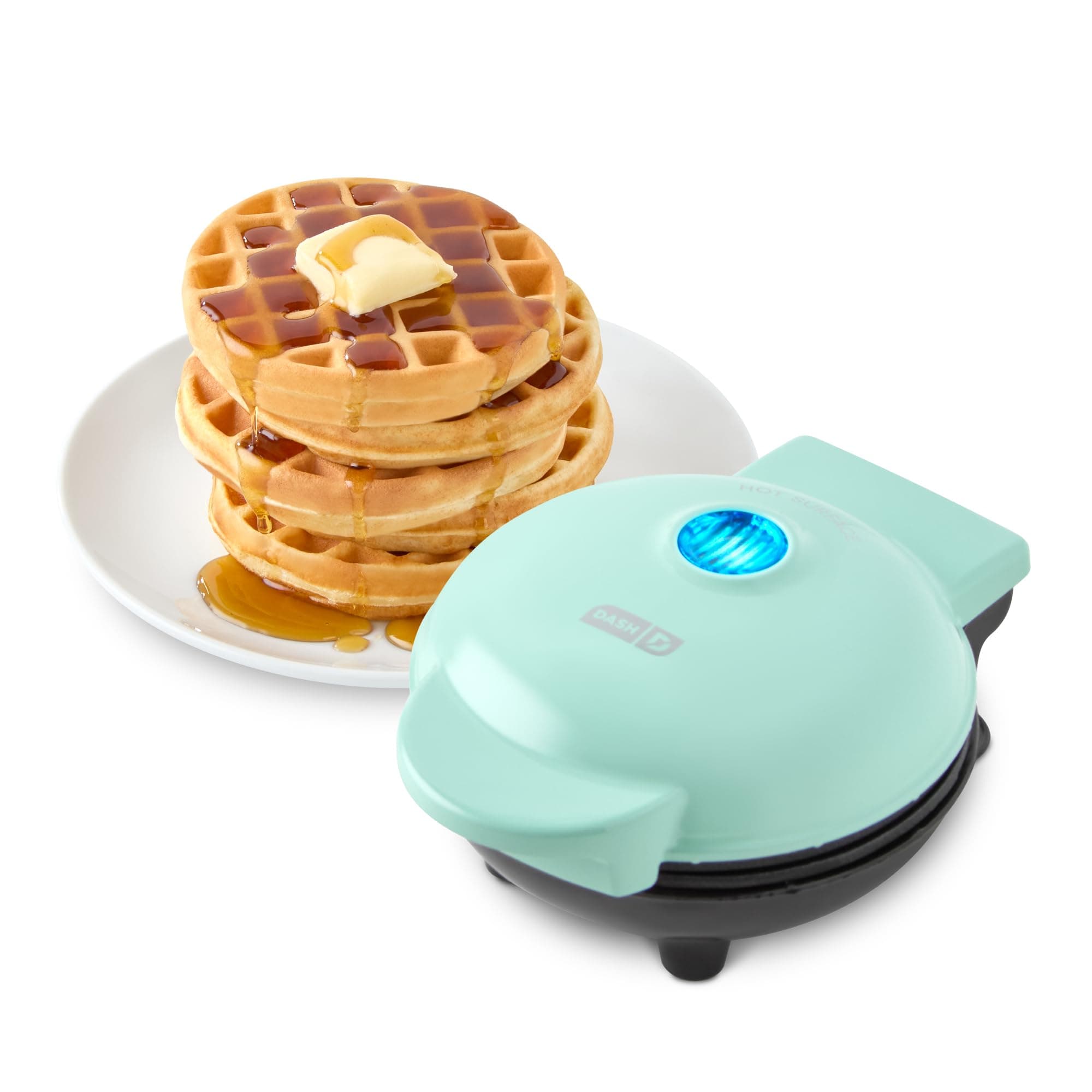
The Dash Mini Waffle Maker is a rare example of a viral product that lives up to its hype, not by being perfect, but by offering incredible utility for its sub-$10 price point. It's a specialized, single-serving appliance that excels at exactly what TikTok loves: quick, creative, and individual food hacks. While it won't replace a family-sized waffle iron, its performance in making everything from classic waffles to the keto-famous 'chaffle' is remarkably consistent. For solo dwellers, students, or anyone with limited kitchen space, this isn't just a novelty item; it's a genuinely useful tool that earns its tiny footprint on your countertop.
What Went Viral
With over a million views on TikTok, the Dash Mini Waffle Maker became a social media darling through its sheer accessibility and versatility. The trend wasn't just about waffles; it was about a challenge: "Can I waffle it?" Creators pushed the tiny appliance to its limits, making cinnamon rolls, hash browns from tater tots, quesadillas, and cookies. Its popularity exploded across multiple niches, from 'dorm room cooking' and 'easy snack ideas' to becoming the unofficial mascot for the keto diet community, who use it to make 'chaffles' (cheese waffles) as a bread substitute. Its low price and vibrant color options made it an easy impulse buy, fueling a cycle of user-generated content that felt both organic and endlessly creative.
What the Comments Actually Say
The data backs up the hype, starting with a stellar 4.6-star rating from over 126,000 Amazon reviews. Across social platforms, the sentiment remains overwhelmingly positive, though more nuanced.
Reddit discussions in communities like r/keto and r/Cooking praise its compact size and reliability for specific tasks. One user in r/Chaffles claimed it "completely changed my life" for making low-carb meals. The consensus is that it's a plug-and-play device that's perfect for one person.
However, real-world users are quick to point out its design compromises.
A significant and recurring complaint is the lack of an on/off switch, requiring users to plug and unplug the device for each use. The non-removable cooking plates are another major point of contention, making a thorough cleaning more difficult than with higher-end models.
YouTube reviewers consistently conclude that it offers excellent value for the price. They praise its quick heat-up time and effective non-stick surface but echo the same criticisms: the handle can get hot, the indicator light is dim, and cleaning can be a chore. As one Reddit commenter noted, it's not practical for a family of four unless you enjoy standing by the counter making one tiny waffle at a time.
Technical Comparison
The Dash Mini Waffle Maker is a study in minimalist engineering. It operates at a low 350 watts, producing a single 4-inch waffle. It has no temperature or browning controls; it's either on (plugged in) or off (unplugged). The heating is consistent but basic, designed to cook a small amount of batter in minutes.
In contrast, a standard, family-sized waffle iron typically runs at 1000+ watts and produces two or four larger, Belgian-style waffles simultaneously. These models almost always feature adjustable browning controls, ready-indicator lights and sounds, and, most importantly, removable, dishwasher-safe cooking plates.
The Dash Mini isn't designed to replace a full-sized waffle iron. It's a specialized tool for individual servings, prioritizing a tiny footprint and low energy consumption over batch cooking and feature-rich customization.
The Catch
The primary trade-off for the Dash's low price and compact size is convenience in operation and cleaning. The non-removable plates are the biggest flaw. While the non-stick surface works well, any batter overflow results in a mess that can only be cleaned by carefully wiping down the hot appliance, a process that is both tedious and imperfect. You can't simply pop the plates in the sink for a soak.
The second catch is the complete absence of controls. Lacking a power switch is a clear cost-cutting measure that directly impacts the user experience, turning a simple cooking process into a cycle of plugging and unplugging from the wall socket. For a device that gets hot, this reliance on handling the plug as the main interface feels like a significant design oversight.