The Verdict
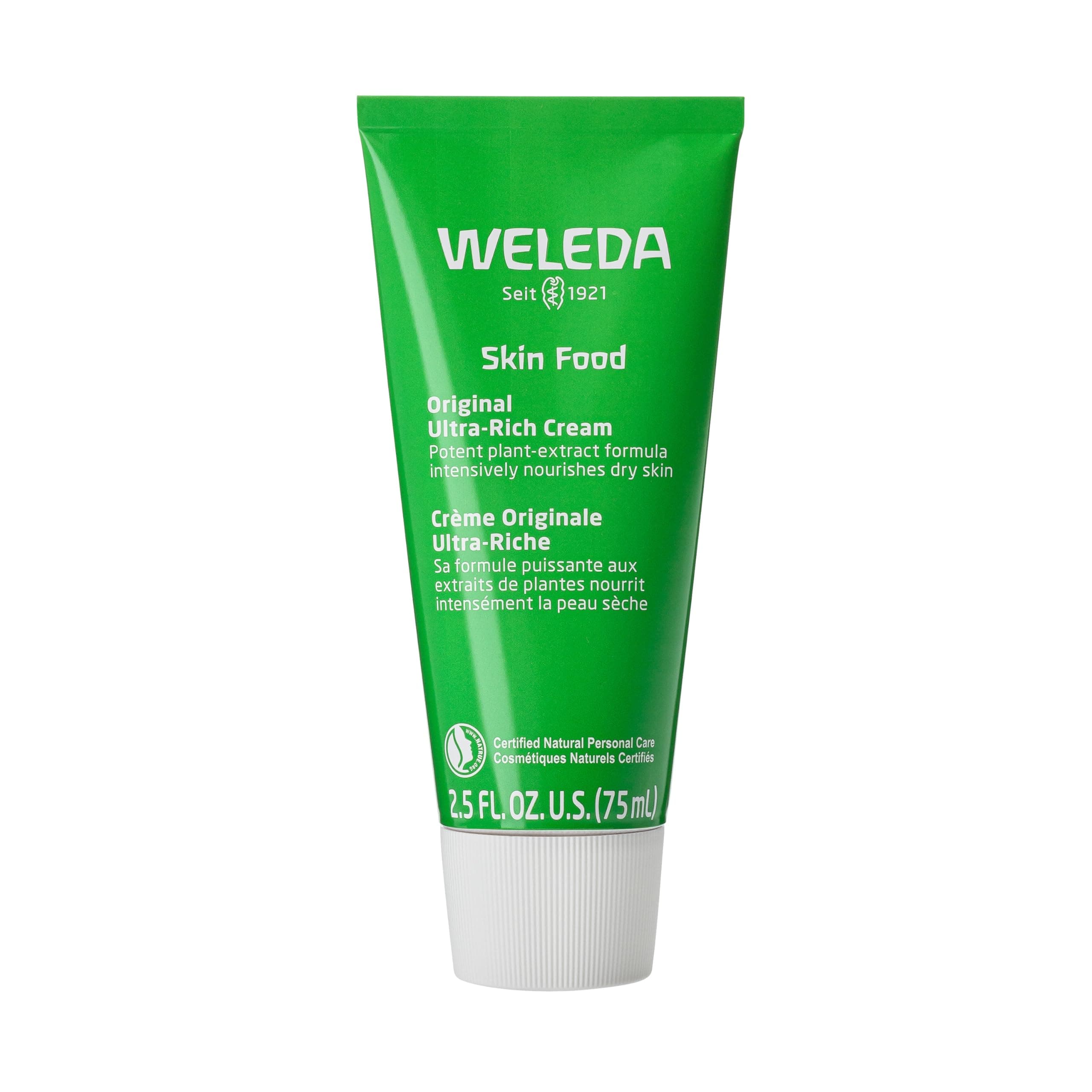
Weleda Skin Food is a classic for a reason. For those with extremely dry, cracked, or rough skin, its performance as an intense, occlusive moisturizer is nearly unmatched at this price point. It delivers the 'dewy glow' promised on TikTok, functioning brilliantly as a spot treatment, hand cream, or even a subtle highlighter. However, its viral status has pushed it into routines where it doesn't belong. The thick, waxy texture and potent essential oil fragrance make it a significant gamble for anyone with sensitive, acne-prone, or rosacea-affected skin. It's a specialist tool, not a universal daily driver.
For its intended purpose—rescuing parched skin—it's an absolute powerhouse. But for general facial use, especially on sensitive skin, proceed with extreme caution.
What Went Viral
With over 5 million views and counting, Weleda Skin Food's resurgence on TikTok is a textbook case of a cult classic finding a new generation. Originally launched in 1926, the cream is now championed by creators and celebrities like Victoria Beckham for its ability to impart a glazed, dewy finish and provide intense hydration. Videos typically showcase users applying the thick cream to high points of the face as a primer or highlighter, or slathering it on dry patches to reveal soft, glowing skin hours later. The appeal is simple: a time-tested, plant-based formula that promises an expensive-looking glow for under $15.
What the Comments Actually Say
While the TikTok FYP is overwhelmingly positive, a deeper dive into user comments across platforms reveals a much more divided reality. The Amazon 4.5-star rating from over 34,000 reviews confirms its effectiveness for a core audience. One top reviewer even notes a clever off-label use: "I have discovered a specific use for it that cancels the need out for another cosmetic product, namely brow gel."
However, Reddit discussions are where the nuance truly emerges. On subreddits like r/SkincareAddiction and r/Rosacea, the feedback is polarized. Many users call it a "holy grail" for soothing dryness, with one on r/SkinbarrierLovers stating they "cannot live without it." Yet, just as many criticize its significant drawbacks.
A recurring and major complaint is the fragrance. Described as "soooo strong" by multiple Reddit users, the herbal, citrusy scent from essential oils is a frequent cause of irritation and breakouts. As one user warned, it contains "hella extracts and perfuming agents."
Another point of contention is the texture. While its thickness is key to its occlusive power, many find it greasy, sticky, and difficult to spread. More recently, a January 2026 thread on r/SkincareAddiction raised alarms about a potential formula change, with several users noticing newer tubes have a "thinner" consistency and, in some cases, caused breakouts where the old formula did not.
Professional reviews echo these concerns. In an April 2024 YouTube review, Dr. Somji rated the original cream a 4 out of 10, citing the strong fragrance and alcohol content as unsuitable for sensitive or acne-prone skin, despite its effective moisturizing base of plant oils and beeswax.
Technical Comparison
Weleda Skin Food is not a standard daily facial lotion. A typical moisturizer is an emulsion of oil and water, designed to be lightweight, spread easily, and absorb quickly for broad use. Weleda Skin Food, by contrast, is an ultra-rich, water-in-oil cream that acts as a powerful occlusive. Its formula, heavy with sunflower seed oil, lanolin, and beeswax, creates a protective barrier on the skin's surface to prevent moisture loss. This is fundamentally different from a standard hydrating lotion, which primarily delivers water to the skin and uses lighter ingredients. While a standard lotion is for daily maintenance, Skin Food is for intensive repair.
The Catch
The product's biggest strength is also its greatest weakness. The very things that make it so effective for dry, tough skin—the heavy occlusive base and the cocktail of plant extracts and essential oils—are the same things that make it a potential disaster for other skin types. The viral trend of applying it all over the face as a dewy primer overlooks the high potential for clogged pores and sensitivity reactions. It's being marketed to the masses as a simple moisturizer, when in reality, it's a specialized treatment that requires careful consideration of your skin type.