The Verdict
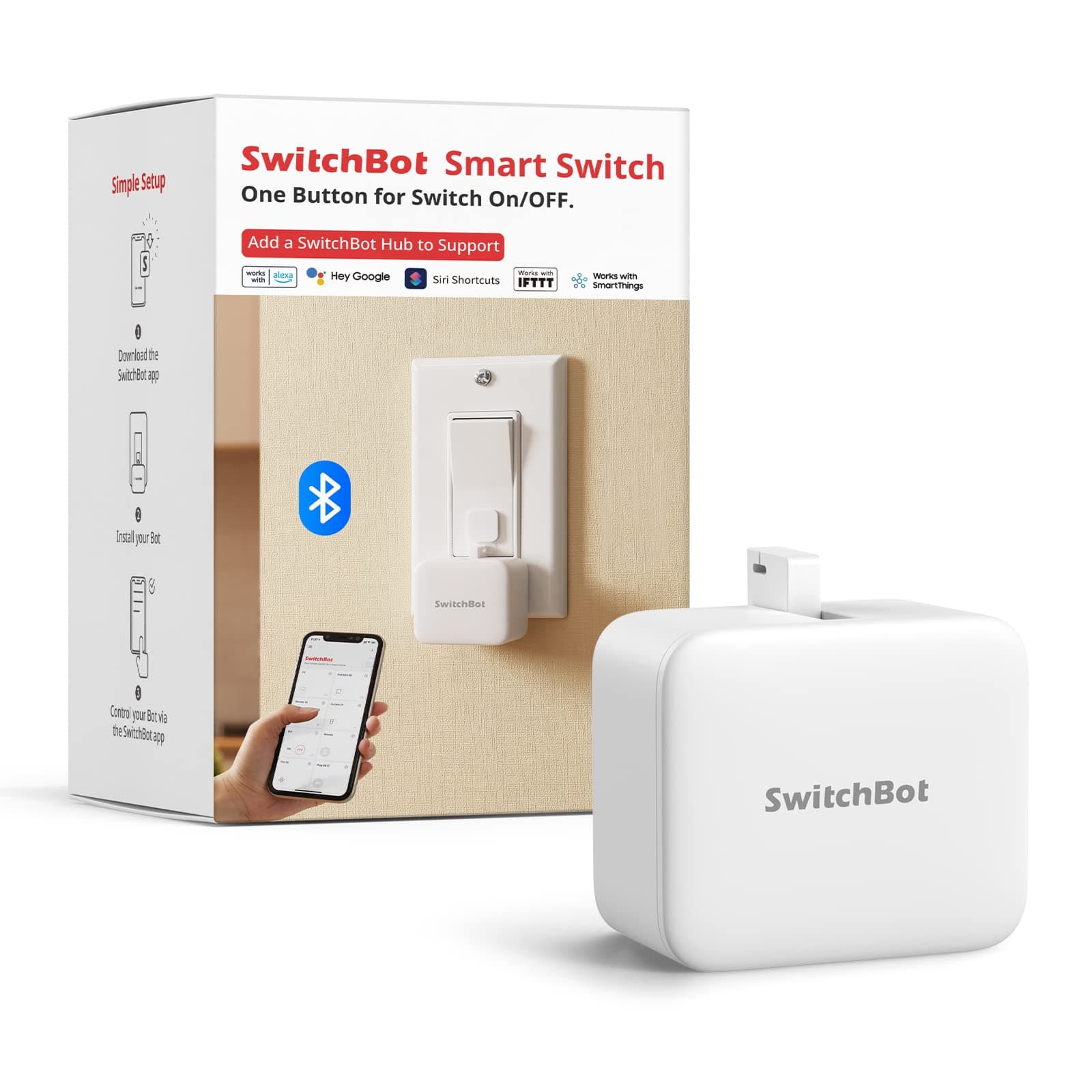
The SwitchBot Smart Switch Button Pusher is a clever and genuinely useful gadget for a very specific audience: renters, or anyone unable or unwilling to modify their home's wiring. It delivers on its basic promise of mechanically pushing a button on a schedule or via your phone's Bluetooth. However, its viral appeal as a cheap, all-in-one smart home solution is misleading. The true cost of integrating it into a modern smart home with voice commands and remote access nearly triples the initial investment, pushing it from a clever hack into a questionable value proposition plagued by noticeable lag.
What Went Viral
With over 10 million views on TikTok, the SwitchBot's appeal is immediately obvious. Videos showcase a tiny robotic finger bringing old-school appliances into the 21st century. A 'dumb' coffee maker starts brewing on a schedule, a PC tower powers on with a tap on a phone, and inaccessible light switches become remotely controllable. The concept is simple, visual, and powerful: for under $30, you can make any button-operated device 'smart' without a single wire. This promise of a universal, non-destructive upgrade for legacy tech is the core of its viral success, presenting a perfect 'life hack' for the smart home era.
What the Comments Actually Say
Digging past the slick demo videos reveals a more complicated user experience. Across Reddit's home automation communities and YouTube tech reviews, a clear consensus emerges. On the positive side, users praise its core function. It's celebrated as a game-changer for renters in apartments with strict modification rules or for those in older homes lacking the neutral wires required for most modern smart switches. The setup is consistently described as simple, and the adhesive is reported to be strong.
However, the praise is almost always followed by a significant list of caveats. The most common complaint is the absolute necessity of the separate SwitchBot Hub for any functionality beyond basic Bluetooth range.
As one Reddit user in r/homeautomation noted, the hub can cost three times as much as a single bot, a crucial detail often omitted in viral clips. This transforms a $26 gadget into a much larger investment for features most people assume are included, like Alexa or Google Assistant integration.
Other recurring issues include performance lag, with some users reporting a noticeable delay between a command and the bot's action, even with a hub. Physical compatibility is another pain point; the bot struggles with narrow US-style toggle switches and can be too bulky for crowded switch plates. Finally, smart home integration isn't always seamless. A user in r/HomeKit pointed out that the bot often registers as a 'light,' meaning a simple 'turn off all the lights' command could accidentally trigger your coffee machine or PC.
Technical Comparison
The standard alternative to the SwitchBot isn't a single product, but a category: native smart devices. This includes smart plugs (like those from Kasa or Wyze) or integrated smart light switches (from Lutron or Leviton). A $15 smart plug can make a coffee maker or lamp smart with more reliability and seamless ecosystem integration. A $40 smart switch offers a permanent, elegant solution for lighting.
The SwitchBot's unique advantage is its ability to operate devices that a smart plug cannot, specifically those that require a physical button press on the device itself (e.g., many espresso machines, PCs, or garage door openers). It's a retrofit solution for situations where replacing the switch or appliance is impossible or impractical.
The key difference is invasiveness. Standard solutions replace existing hardware, often requiring electrical work. The SwitchBot is a non-permanent, adhesive-based overlay, making it the only viable option for many renters or for automating sealed electronics.
The Catch
The central flaw of the SwitchBot Button Pusher is that its advertised price and its functional price are two different things. The $26 price tag gets you a Bluetooth-controlled device with a range of about 30 feet. To unlock what most people consider 'smart' features—voice control, out-of-home access, or integration with Alexa, Google Home, or HomeKit—you must purchase the SwitchBot Hub Mini, which typically costs an additional $30-$50. This hidden cost fundamentally changes the product's value, turning an affordable impulse buy into a considered, and more expensive, ecosystem investment.