The Verdict
The RENPHO Elis 2XL Smart Scale is a powerful tool for anyone looking to track health trends and stay motivated, offering a suite of features typically found in more expensive devices. Its core function—measuring weight—is consistently accurate for most users. However, its advanced body composition metrics, like body fat percentage, should be viewed as directional estimates for tracking progress over time, not as clinical-grade data. For its price, the combination of a large, clear display, seamless app integration, and multi-user support makes it an exceptional value for the data-curious user who understands its limitations.
What Went Viral
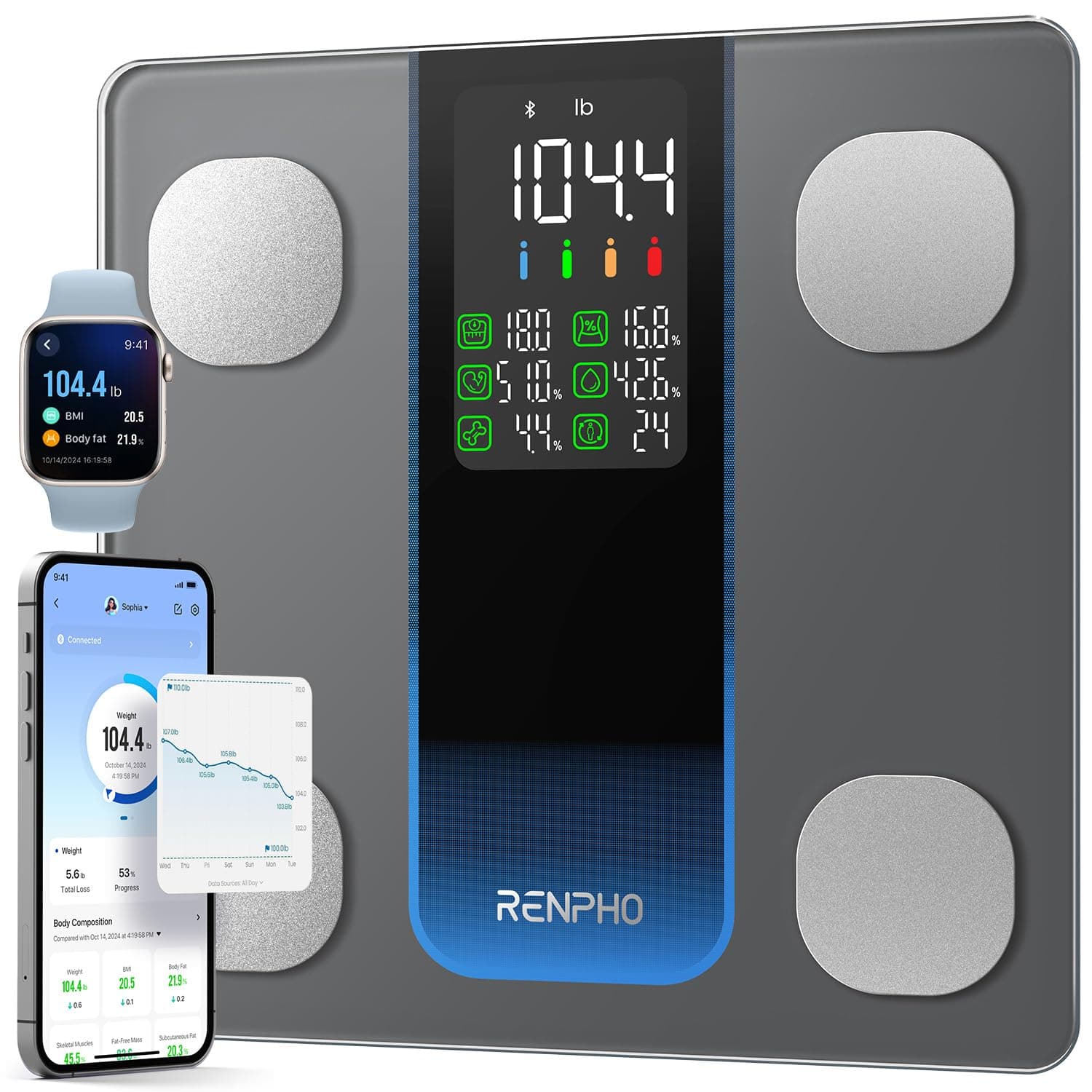
With over 1.5 million views on TikTok, the RENPHO smart scale has captured attention by promising a holistic view of your health that goes far beyond a single number. Videos highlight its ability to track 13 different body composition metrics—from BMI and body fat to muscle mass and metabolic age. The major selling point is its seamless Bluetooth connectivity, which syncs this data directly to the RENPHO app and other popular fitness platforms like Apple Health and Google Fit. This transforms the mundane act of weighing yourself into a rich, data-driven check-in, fueling motivation for users on fitness and weight loss journeys.
What the Comments Actually Say
Across social platforms, user sentiment is largely positive but grounded in realistic expectations. TikTok Shop reviews for the Elis 2XL model praise its ability to provide "exact weight" readings. However, deeper discussions on Reddit reveal a more nuanced picture. In an April 2026 thread on r/loseit, the consensus is that the scale excels at tracking trends. One user noted that while their weight measurement was accurate, the body fat percentage was not when compared to a clinical DEXA scan. Another commenter agreed, stating the body composition readings are "Not 100% accurate but not terribly off."
The most common praise centers on the user experience. Reddit commenters repeatedly highlight the scale's reliable Bluetooth connectivity and the motivational power of the app's graphing features, which help visualize progress over time.
However, accuracy isn't universally celebrated. One Redditor reported their RENPHO scale showed a weight gain while their doctor's scale confirmed a 13-pound loss. Another user in an r/mounjarouk thread experienced frustrating fluctuations of 14 pounds in a short period. These reports, while not the norm, highlight potential quality control issues and underscore that the device is not a medical instrument.
Technical Comparison
A standard digital scale provides a single data point: total body mass. The RENPHO Elis 2XL, like other smart scales, uses Bioelectrical Impedance Analysis (BIA) to estimate its 13 different metrics. BIA works by sending a tiny, imperceptible electrical current through the body. The speed at which this current travels through fat, muscle, and water differs, allowing the scale's algorithm to calculate their estimated percentages.
This method is inherently less precise than clinical standards like a DEXA scan. BIA readings can be easily influenced by hydration levels, when you last ate, and even skin temperature. Therefore, while a standard scale is limited, it doesn't create a potentially misleading picture of precision. The RENPHO's advantage lies in its consistent tracking and software integration, not its clinical accuracy.
The Catch
The primary catch is the gap between the marketing of 13 precise body metrics and the reality of at-home BIA technology. The scale presents metrics like 'Metabolic Age' and 'Body Fat %' with a certainty that the underlying technology cannot truly support. Users who treat these numbers as absolute facts risk being misled or discouraged. The true value is in the trendline—watching these numbers rise or fall over weeks and months—not in the specific number shown on any given day. This critical context is often lost in the social media hype.