The Verdict
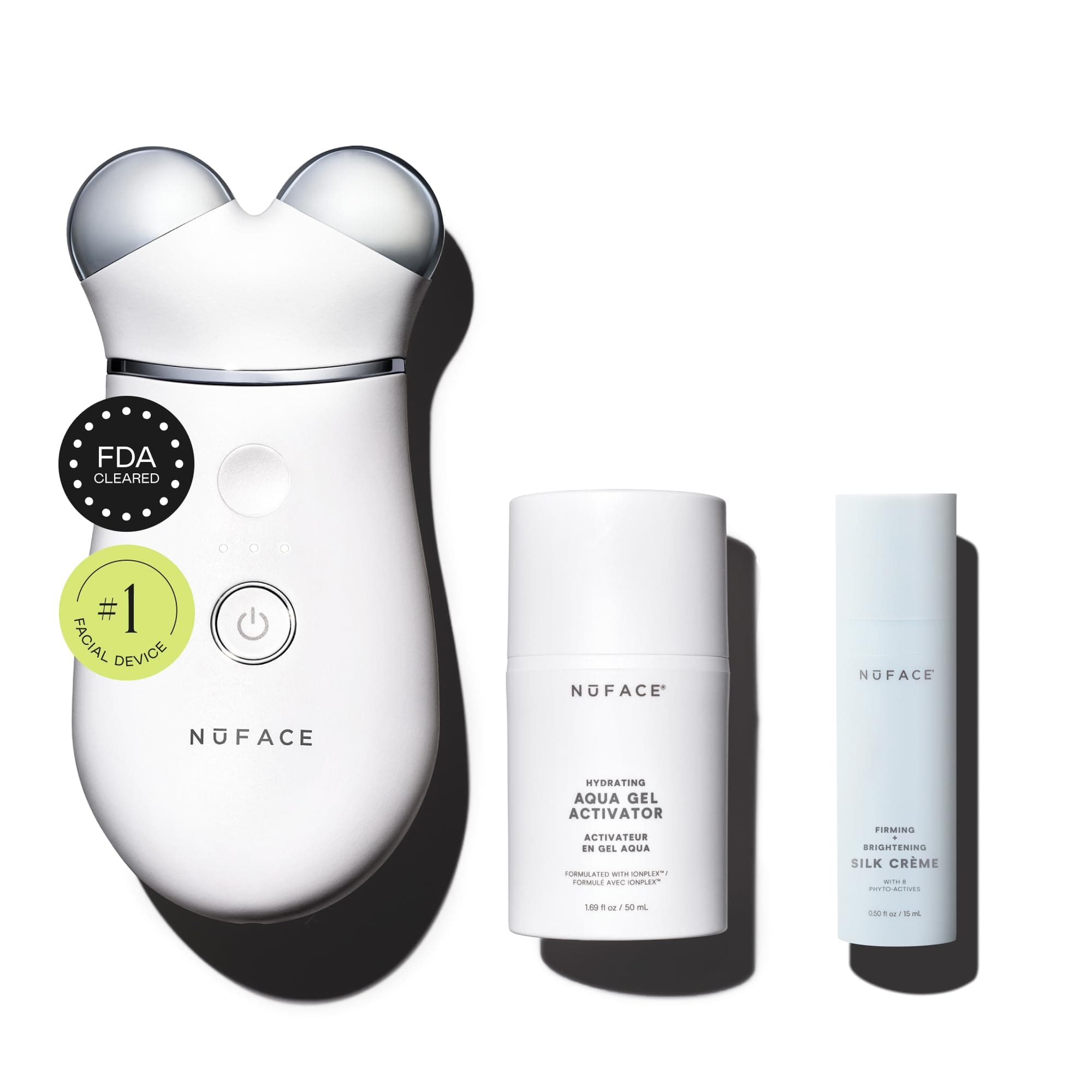
The NuFACE Trinity+ is a fascinating case study in social media hype versus clinical reality. While it can deliver a noticeable, temporary lift and a more sculpted appearance, its performance is plagued by inconsistency and serious user complaints that are absent from its polished TikTok feed. The demand for daily, long-term commitment to maintain subtle results is a steep ask for a $395 device. When you factor in a pattern of hardware failures and a pending class-action lawsuit questioning its core efficacy, the Trinity+ lands squarely in the 'overhyped' category. It’s not a scam, but the investment of time and money required may not yield the permanent, transformative results the viral videos suggest.
For the price of an entry-level smartphone, you get a device that requires daily upkeep for temporary results, with a concerning number of users reporting it simply stops working.
What Went Viral
With nearly 4 million views on TikTok, the NuFACE Trinity+ exploded on For You Pages through compelling before-and-after videos. Creators would treat one half of their face, holding the device up to the camera to reveal a visibly lifted brow, a sharper jawline, or a more defined cheekbone on the treated side. The appeal is obvious: a non-invasive, at-home facelift in just five minutes. Captions promised users they could "ditch in office treatments" and get "snatched" with this FDA-cleared technology. The combination of scientific legitimacy (microcurrent and FDA clearance) with dramatic, instant visual proof created a perfect storm of viral interest, positioning the Trinity+ as a must-have tool for anti-aging and facial contouring.
What the Comments Actually Say
Beneath the glossy, often sponsored, TikTok posts, a more complicated picture emerges from real user discussions. The sentiment is deeply divided.
On Reddit, threads in skincare communities like r/30PlusSkinCare feature users who swear by the device, reporting more open eyes and a contoured face with consistent use. However, these endorsements are often followed by stark warnings. Multiple Reddit commenters noted their device stopped charging after a few months, and a more alarming concern about potential "fat loss in the face" has deterred many potential buyers. One user, identifying as a dermatologist, dismissed it as a "gimmicky gadget."
A recurring theme across platforms: results are entirely dependent on unwavering consistency. As one YouTube reviewer put it, her skin felt tighter immediately after use but returned to normal by the next morning, with no noticeable long-term effects after a year.
YouTube reviews echo this sentiment. Tech-focused beauty channels praise the Trinity+ for its increased power over older models and helpful app integration. But even positive reviews stress that the lifting and de-puffing effects are temporary. The consensus is that it works, but only if you commit to using it almost every single day.
Technical Comparison
The NuFACE Trinity+ markets itself as a professional-level treatment at home, but it's crucial to understand the technical gap. The Trinity+ delivers up to 425 microamps (with a 'boost' function), which can stimulate facial muscles for a toning effect. This is a legitimate, FDA-cleared approach for a consumer device. Its primary advantage over the industry standard—in-office treatments—is convenience and long-term cost. A single professional session can cost $200-$600.
However, professional microcurrent machines used by aestheticians are significantly more powerful and sophisticated. They can operate at higher amperages with more customized waveforms to achieve more dramatic and longer-lasting results. While the Trinity+ offers a commendable at-home alternative for maintenance and subtle enhancement, it cannot replicate the muscle re-education and deep stimulation of a clinical-grade unit. Think of it as a home treadmill versus a session with a personal trainer using elite equipment; both are beneficial, but the outcomes are on different levels.
The Catch
The most significant issue with the NuFACE Trinity+ isn't just that the results are temporary; it's the serious questions being raised about its performance and safety. A proposed class-action lawsuit filed in October 2024 alleges the device simply does not work as advertised, claiming its microcurrent and red-light outputs are insufficient to produce the promised benefits.
Beyond the lawsuit, an FDA adverse event report from September 2025 detailed a user's severe reaction, including intense facial nerve pain and inflammatory breakouts, raising questions about potential side effects that are rarely discussed in influencer videos. Combined with widespread user reports of devices failing to hold a charge, the long-term reliability and efficacy of this premium-priced tool are under serious scrutiny.