The Verdict
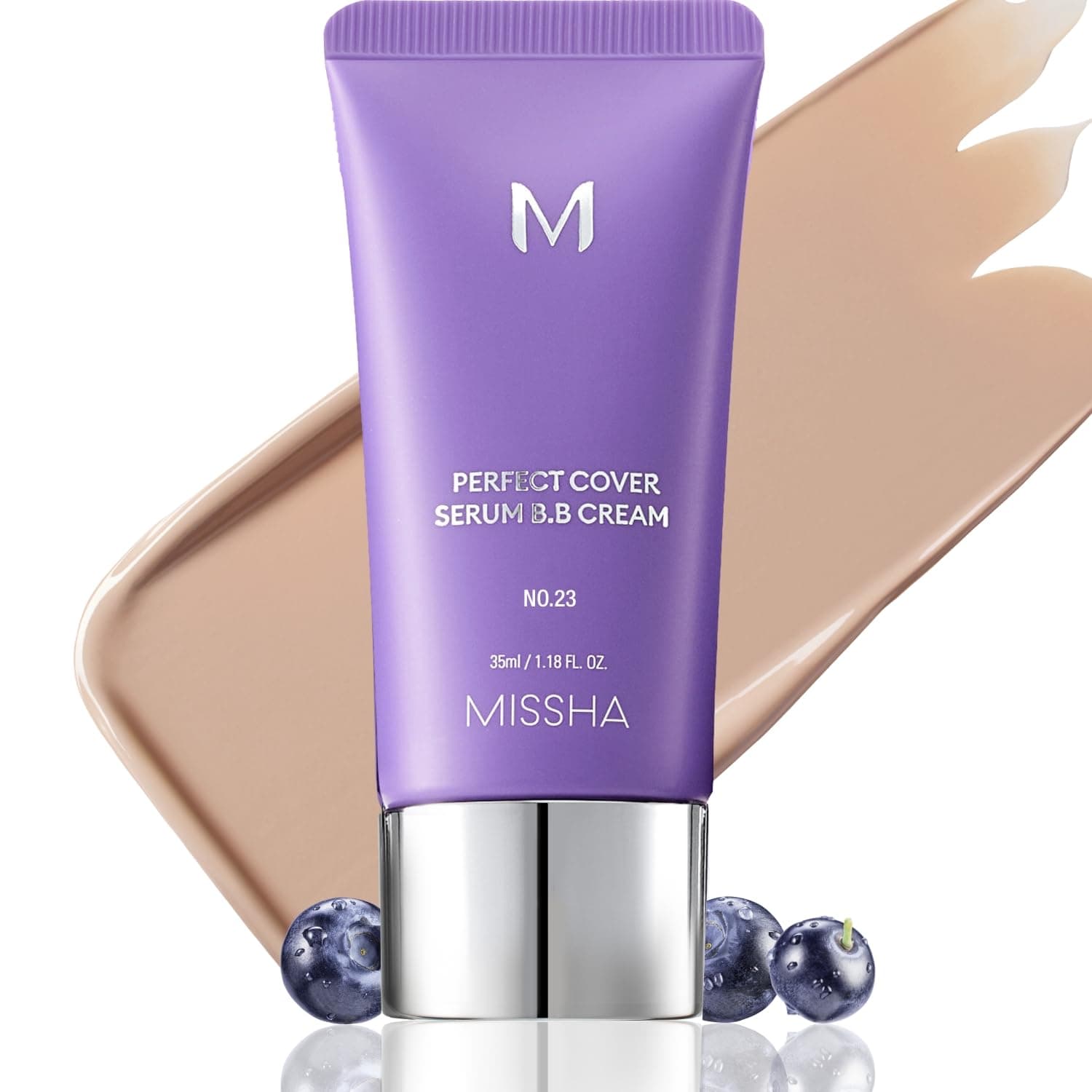
The Missha M Perfect Cover Serum BB Cream is a K-beauty icon that has found new life on TikTok, and for good reason. It masterfully blends skincare benefits with impressive, buildable coverage that lives up to its 'skin-but-better' reputation. For those who can find a match—particularly individuals with neutral or olive undertones—it offers a high-performance, dewy finish at a drugstore-adjacent price point. Despite its flaws, namely a limited shade range and a noticeable fragrance, its performance solidifies its status as a cult favorite that is absolutely worth trying.
What Went Viral
With over 3 million views on TikTok, the Missha Serum BB Cream went viral for tapping directly into the 'glass skin' and 'makeup-as-skincare' trends. Creators showcased its ability to provide a dewy, natural-looking finish that covers redness and imperfections without the heavy feel of a traditional foundation. Videos highlighted its serum-infused formula, packed with ingredients like bifida ferment lysate and superfood extracts, promising to hydrate and rejuvenate the skin while providing SPF 42 protection. This promise of a simplified, all-in-one routine for a flawless-but-natural face resonated deeply with users tired of complicated, multi-step makeup applications.
What the Comments Actually Say
Across TikTok, Reddit, and YouTube, the sentiment is overwhelmingly positive, though not without specific caveats. The product is frequently lauded as a 'holy grail' for its unique finish.
On Reddit's r/AsianBeauty and r/OliveMUA subs, users consistently praise its performance for specific skin tones. One commenter called it their "absolute ride or die product," noting that people can't even detect it on their skin. Many with fair olive undertones celebrate shade #23 as one of the few true matches on the market.
YouTube reviewers echo this praise. Beauty creator Shelly from 'Geek Out of Water' gave the formula an 'A' grade for its ability to smooth pores and texture without caking, while Meli Rodriguez Beauty called the finish "gorgeous" and noted it "looks like skin." TikTok users frequently describe the result as a "lovely skin-but-better finish" that makes you look hydrated and well-rested.
However, the criticism is just as consistent. The most common complaint by far is the limited shade range. A TikTok user lamented, "Color doesn't match my skin it looks gray," while Reddit commenters in an r/Ulta thread agreed the "shade range is…not great." The other recurring critique is the product's scent. One Redditor warned, "If you are sensitive to smells, be forewarned it has a strong fragrance that lasts."
Technical Comparison
The Missha M Perfect Cover Serum BB Cream is a multi-functional product combining serum, moisturizer, SPF, and foundation into one step. Its formula is designed for coverage and cosmetic effect, featuring pigments alongside skincare ingredients like ceramides and hyaluronic acid.
In contrast, a standard industry staple like CeraVe Moisturizing Cream is a single-purpose hydrator. It focuses purely on skin barrier support with ceramides and hyaluronic acid but contains no pigment or SPF. While CeraVe provides a robust, non-comedogenic base, it requires separate products for sun protection and any level of cosmetic coverage. Missha's proposition is its efficiency, merging multiple routine steps into a single, effective application.
The key difference is function: Missha is a cosmetic product with skincare benefits, while a standard cream is a skincare product with no cosmetic properties. Missha aims to perfect the look of your skin, while CeraVe aims to perfect its health.
The Catch
The primary drawback that prevents this from being a universal recommendation is the shade range. While praised by those with olive skin for its unique grayish-neutral undertones, these same tones can look ashy and unnatural on people with warmer or cooler complexions. The limited selection means a significant portion of potential users are simply unable to find a workable match, a flaw frequently highlighted in user comments across all platforms.