The Verdict
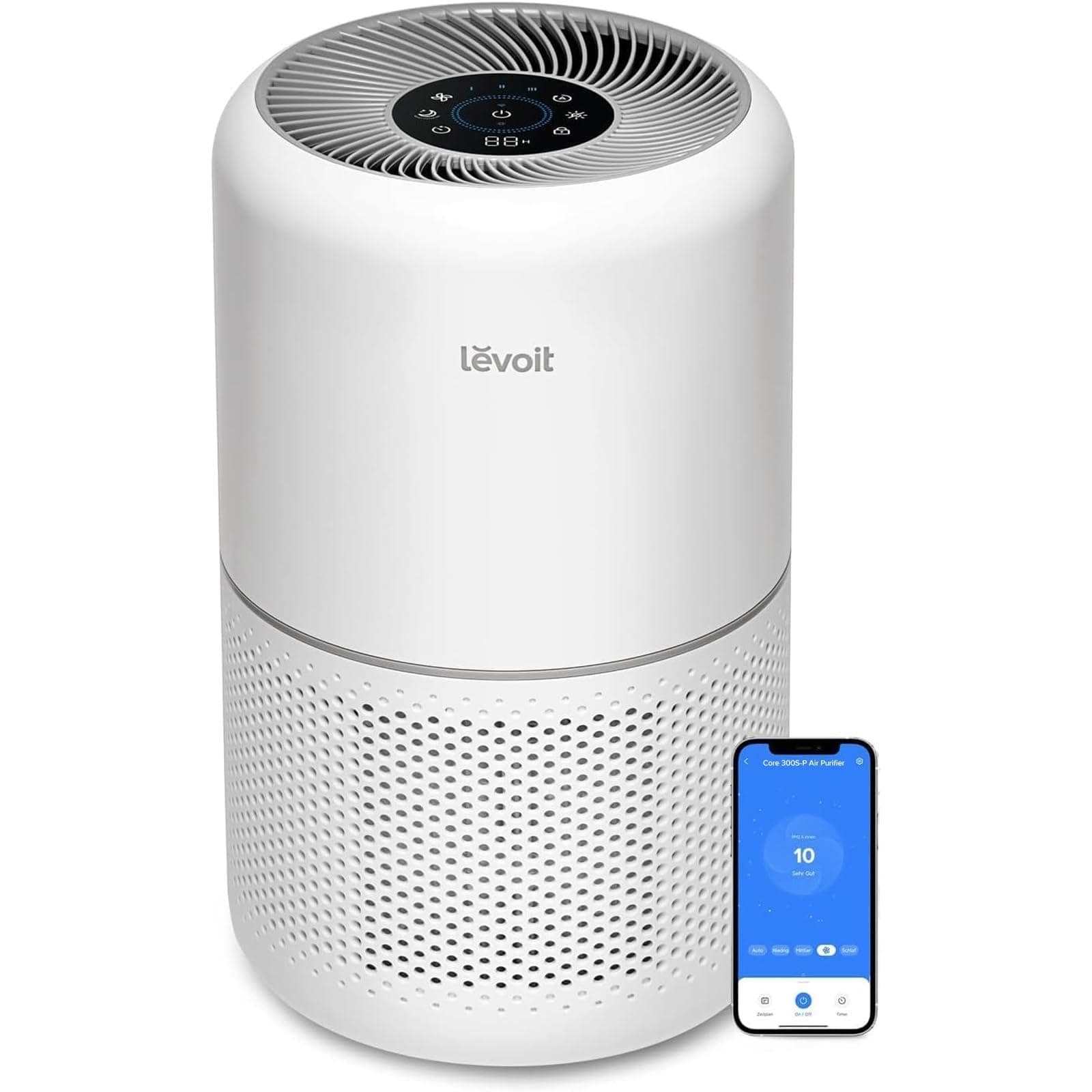
The Levoit Core 300S is a capable, quiet, and well-designed air purifier that largely lives up to its core promise: cleaning the air in your bedroom or small office. Its H13 True HEPA filter effectively tackles dust, pet dander, and allergens, a claim backed by a stellar 4.7-star Amazon rating and numerous positive user testimonials. The smart features, controlled via the slick VeSync app, add a layer of modern convenience that sets it apart from basic models. However, power users and data-driven purists will find its most-hyped smart feature—the auto-sensing air quality monitor—to be its Achilles' heel. Reports of sensor inaccuracy are common enough to question the reliability of its 'Auto Mode'. Despite this flaw, its primary filtration performance is solid, making it a strong contender for anyone prioritizing quiet operation and app control in a compact package.
What Went Viral
The Levoit Core 300S flooded TikTok feeds by hitting a sweet spot of modern home-tech needs. Videos with millions of views showcase its sleek, minimalist design that blends seamlessly into any aesthetic. Creators highlight its whisper-quiet 'Sleep Mode' as a game-changer for light sleepers. The biggest hook, however, is its smart functionality. Demonstrations of the VeSync app—showing real-time air quality, setting schedules, and connecting to Alexa—made a mundane appliance feel futuristic and essential. This combination of quiet effectiveness, aesthetic appeal, and smart control created a viral storm, positioning the Core 300S as the go-to solution for allergy sufferers, pet owners, and anyone looking to upgrade their indoor air quality.
What the Comments Actually Say
Across platforms, the sentiment is positive but nuanced. An Amazon reviewer praises its effectiveness, stating it has kept their bedroom "pretty much dust free" and that the app is "easy to set up, clear and no fuss." This aligns with the general praise on YouTube, where reviewers commend its user-friendliness, quiet operation on low settings, and powerful performance for small to medium-sized rooms.
However, Reddit's more technical communities tell a different story.
A recurring and significant complaint among Reddit users is the unreliability of the air quality sensor. Multiple commenters in the r/AirPurifiers subreddit note that the device often reads 'very good' air quality even in dusty rooms or when placed near an open window, rendering the 'Auto Mode' largely ineffective.
Other criticisms from Reddit include concerns about the cost of proprietary replacement filters and claims that the smart 'S' model has lower airflow than its non-smart predecessor. One older discussion even questioned whether the Core series is truly HEPA compliant due to potential air leakage around the filter, suggesting Levoit's newer Vital series might be a better choice for those with serious respiratory concerns.
Technical Comparison
Compared to a standard, non-connected air purifier, the Levoit Core 300S's primary advantage is its brain. A traditional purifier offers manual fan speed controls—typically low, medium, and high—and little else. You turn it on, pick a speed, and let it run. The Core 300S, by contrast, integrates into a smart home ecosystem. Its Wi-Fi connectivity enables control via the VeSync app, allowing for remote operation, detailed scheduling, filter life monitoring, and voice commands through Amazon Alexa or Google Assistant. The inclusion of an AirSight Plus laser dust sensor for real-time particle detection is a major technical upgrade over standard models, even if its real-world accuracy is debated by users. This suite of features transforms the purifier from a passive appliance into an active, data-driven part of your home environment.
The Catch
The central promise of a 'smart' air purifier is its ability to react intelligently to its environment. The catch with the Levoit Core 300S is that its intelligence is questionable.
The most significant flaw, echoed by numerous tech-savvy users, is the unreliable air quality sensor. It frequently fails to detect changes in air quality, meaning the 'Auto Mode' may not ramp up the fan when needed, such as when cooking smoke or outdoor pollen enters the room.
This forces users to rely on manual controls or schedules, undermining the very 'smart' functionality that commands its premium price over simpler models. You're paying for an automatic feature that often requires manual intervention.