The Verdict
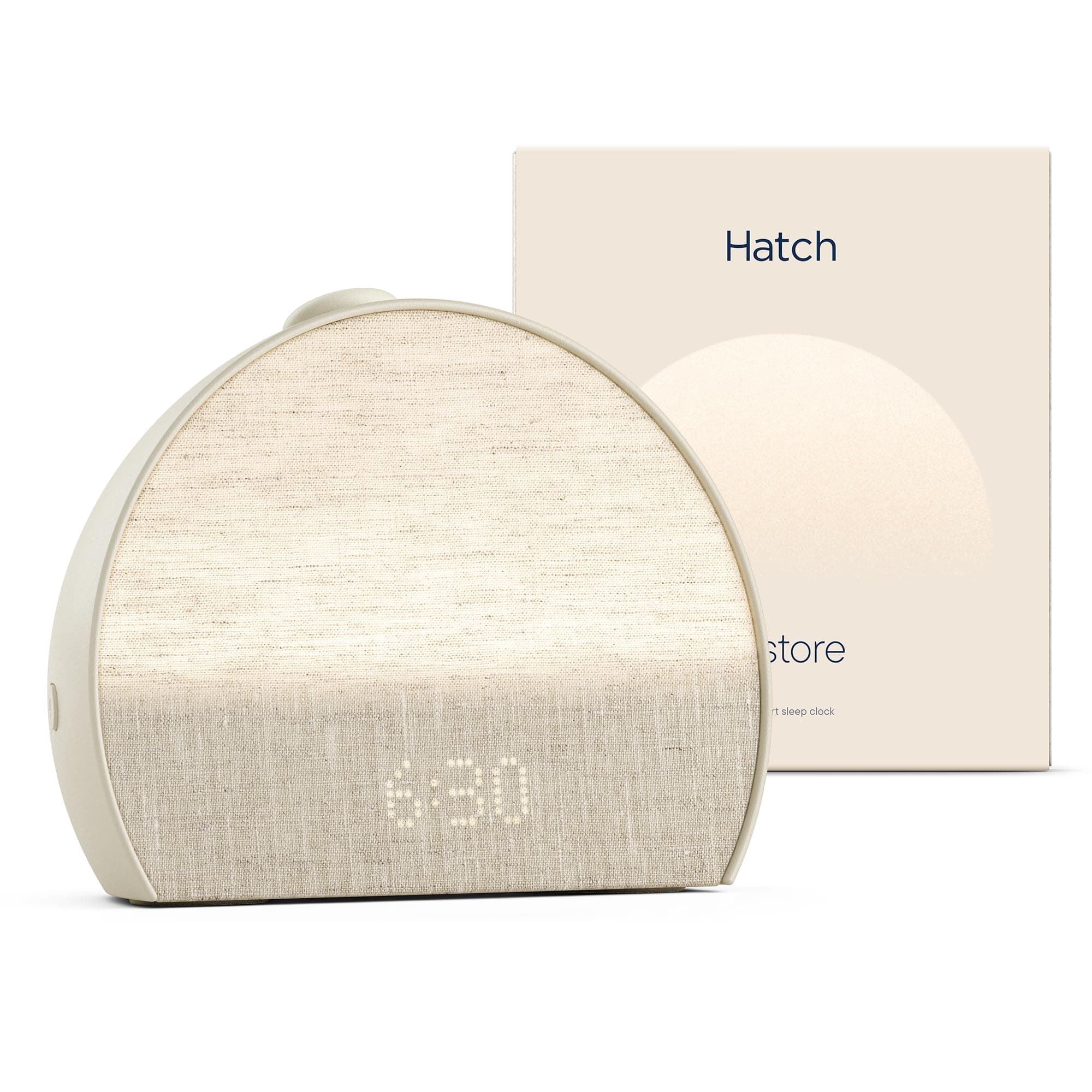
The Hatch Restore 3 is a beautifully designed piece of hardware that genuinely improves the experience of waking up. Its sunrise-simulating light and library of soothing sounds offer a peaceful alternative to a blaring smartphone alarm. However, its stellar concept is fundamentally undermined by a business model that treats a premium-priced device as a mere vessel for a subscription service. While the core functions are solid, the constant push towards the Hatch+ membership and the paywalling of essential features make the $170 price tag feel deceptive. It's a great product trapped in a frustrating ecosystem.
For a device marketed as a way to disconnect, its reliance on a clunky, subscription-hungry app keeps you tethered to the very ecosystem you're trying to escape.
What Went Viral
With over 10 million views on TikTok, the Hatch Restore 3 has cemented itself as a Gen Z status symbol for the ideal, aesthetic morning routine. Videos showcase perfectly arranged nightstands where the minimalist device replaces the smartphone, promising an end to late-night "doom scrolling" and jarring morning alarms. The trend focuses on wellness, digital detox, and the sheer visual appeal of its gentle, sunrise-mimicking glow, making it a must-have gadget for anyone curating a mindful living space.
What the Comments Actually Say
Beneath the glossy TikTok edits, a more complicated picture emerges. While many users praise the concept, real-world feedback is dominated by frustration with the business model. Reddit discussions are particularly critical, with many feeling blindsided by the subscription requirement.
One Reddit user, Chesn1234, warned the product is "deliberately and systematically hollowed out to make it nearly unusable without the £5 monthly subscription." Another, A_Pro_84, felt "absolutely scammed" after free sounds failed to work and customer service was unresponsive.
Common complaints across Reddit and other forums center on the clunky, slow app and the fact that basic customization—like adjusting the volume or color of free routines—is locked. YouTube reviewers like Sleepopolis praise the hardware and its effectiveness for light-sensitive sleepers but consistently flag the subscription as a major drawback. The consensus is clear: users love the idea of the Hatch Restore 3 but resent paying a premium price for a device only to be charged again to fully use it.
Technical Comparison
The Hatch Restore 3's main advantage is its all-in-one integration. It combines a sunrise alarm clock, a multi-colored smart lamp, and a sound machine into a single, app-controlled unit. A standard, non-smart sunrise alarm clock offers the gentle wake-up light but typically has limited, built-in sounds and no smart-home connectivity. To replicate the Hatch experience, you would need a separate white noise machine or a phone app, losing the seamless routine creation that is Hatch's primary selling point. The audio quality of the Restore 3's speakers is also noted by reviewers as being crisp and clear, likely a step up from basic alarm clock speakers.
The Catch
The single biggest issue with the Hatch Restore 3 is the mandatory Hatch+ subscription. The $170 price is not for a complete, feature-rich product; it's for a piece of hardware whose best features are held for ransom. Without paying the additional $5-$6 per month, you lose access to a vast library of sleep stories, meditations, soundscapes, and advanced routine customization. Users report that even the free content is difficult to find and frustratingly limited. This "subscription trap" turns a promising wellness tool into a source of recurring financial frustration, a critical detail often omitted in glowing influencer posts.