The Verdict
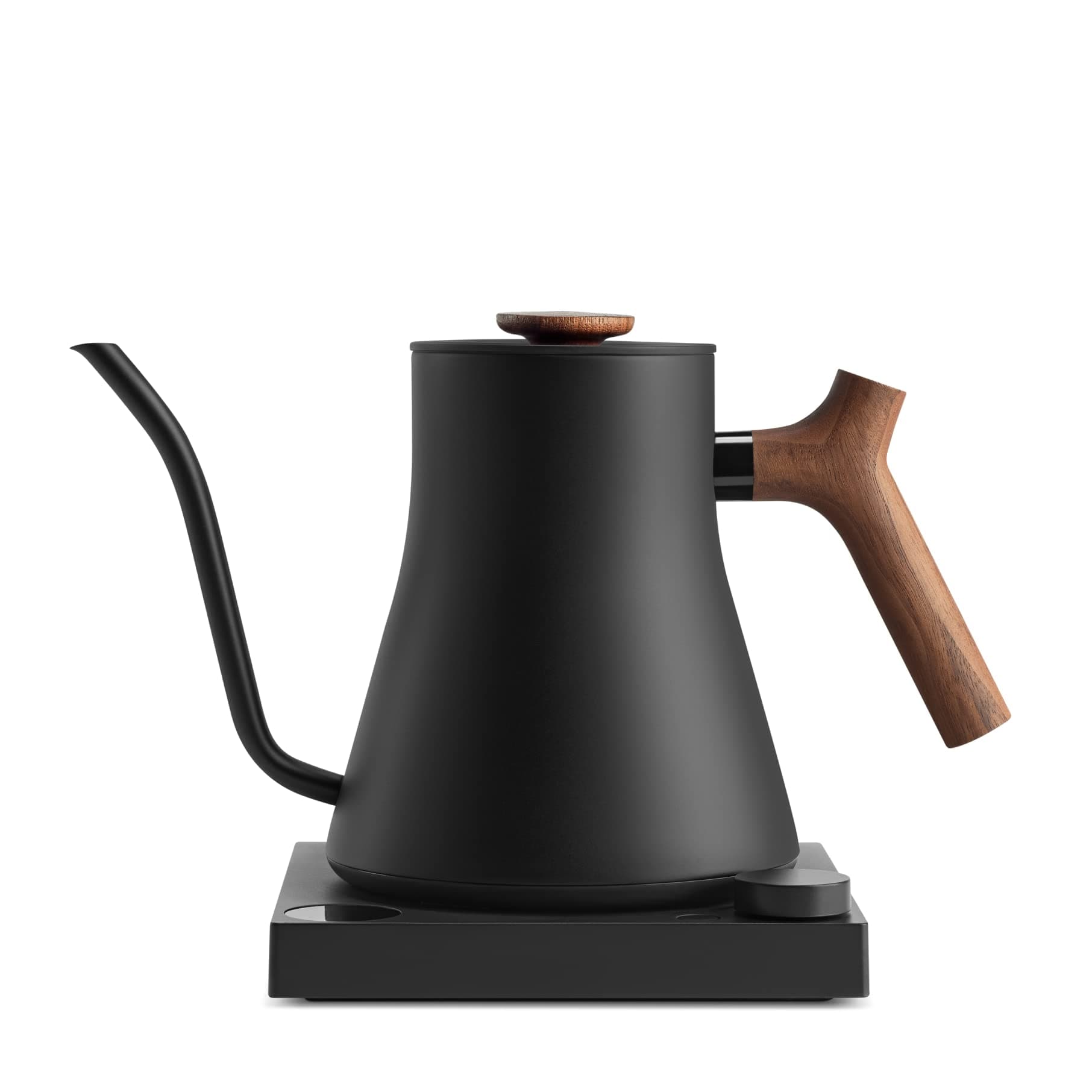
The Fellow Stagg EKG Pro is a masterclass in industrial design, earning its viral status as the centerpiece of countless aesthetic home coffee bars. It promises barista-level precision in a stunning package. However, beneath its matte black and walnut exterior lies a significant flaw: unreliable software. Widespread user reports of firmware updates causing wild temperature inaccuracies and breaking safety features fundamentally undermine its core purpose. For a premium device where precision is the main selling point, this is a critical failure.
While it heats water quickly and pours beautifully, the risk of a software update turning your $170 precision tool into a frustratingly inaccurate appliance makes it a difficult recommendation. It looks the part, but its performance is a gamble.
What Went Viral
With over 1.1 million views on TikTok, the Fellow Stagg EKG Pro didn't go viral for just boiling water; it went viral for a vibe. The kettle is pure visual candy for the algorithm. Creators showcase its minimalist design, elegant gooseneck spout, and high-resolution screen in perfectly curated "slow morning" and coffee routine videos. The promise is simple: this isn't just a kettle, it's an upgrade to your entire coffee experience, giving you the same control over water temperature and flow as a professional barista. The sleek design and premium materials make it a status symbol for coffee aficionados, justifying its frequent appearance on FYPs everywhere.
What the Comments Actually Say
While TikTok videos are flush with praise for its looks, the story on other platforms is far more complicated. Digging into enthusiast forums reveals a starkly different picture.
Reddit discussions, particularly in the r/FellowProducts and r/pourover subreddits, are filled with critical feedback. The most alarming issue surrounds firmware update v1.1.7, which one user claimed "ruined" their EKG Pro. They reported the kettle consistently overshooting target temperatures by several degrees and, more critically, that its boil-dry protection was "completely broken."
Other commenters corroborated these temperature control bugs, noting their own units were off by 1-1.5ºC. Beyond the software, the kettle's price is a major point of contention. Users frequently debate if the build quality justifies the £165/$170 price tag, with some pointing to cheaper alternatives like the Timemore Fish Pro. Quality control complaints also surface, with reports of unreliable LCD screens fading over time and lids becoming difficult to open after boiling—an issue a prominent YouTuber noted was present even in prototype models.
YouTube reviews are generally more positive, lauding the sleek design, rapid heating, and the precision of the gooseneck spout. Reviewers praise its new features like scheduling, guide modes, and altitude adjustments. However, the severe issues raised by long-term users on Reddit paint a picture of a product whose advanced technology can also be its greatest weakness.
Technical Comparison
A standard electric kettle's job is to bring water to a rolling boil at 100°C (212°F). It offers no temperature variability and its spout is designed for fast, not precise, pouring. The Fellow Stagg EKG Pro is built to address these limitations for specialty coffee and tea.
Its key advantages are:
- Variable Temperature Control: Set your target temperature to the exact degree, crucial for optimal extraction.
- Gooseneck Spout: Provides the slow, steady, and controlled pour required for methods like V60 or Chemex.
- Hold Function: Maintains the target temperature for up to 60 minutes.
- Smart Features: Includes a built-in brew timer, scheduling via Wi-Fi, and altitude settings for a precise boil.
The irony is that the EKG Pro's biggest technical failure directly impacts its biggest technical advantage. When firmware bugs cause it to miss the target temperature, its primary reason for existing over a basic kettle is compromised.
The Catch
The catch isn't a missing feature; it's the product's unreliability. You are paying a significant premium for precision and control, but recent firmware updates have proven that this core functionality can be broken remotely, at any time. The reports of temperature inaccuracy and failing safety features transform a high-end tool into a potential liability, making the steep investment feel like a risky bet on software stability.