The Verdict
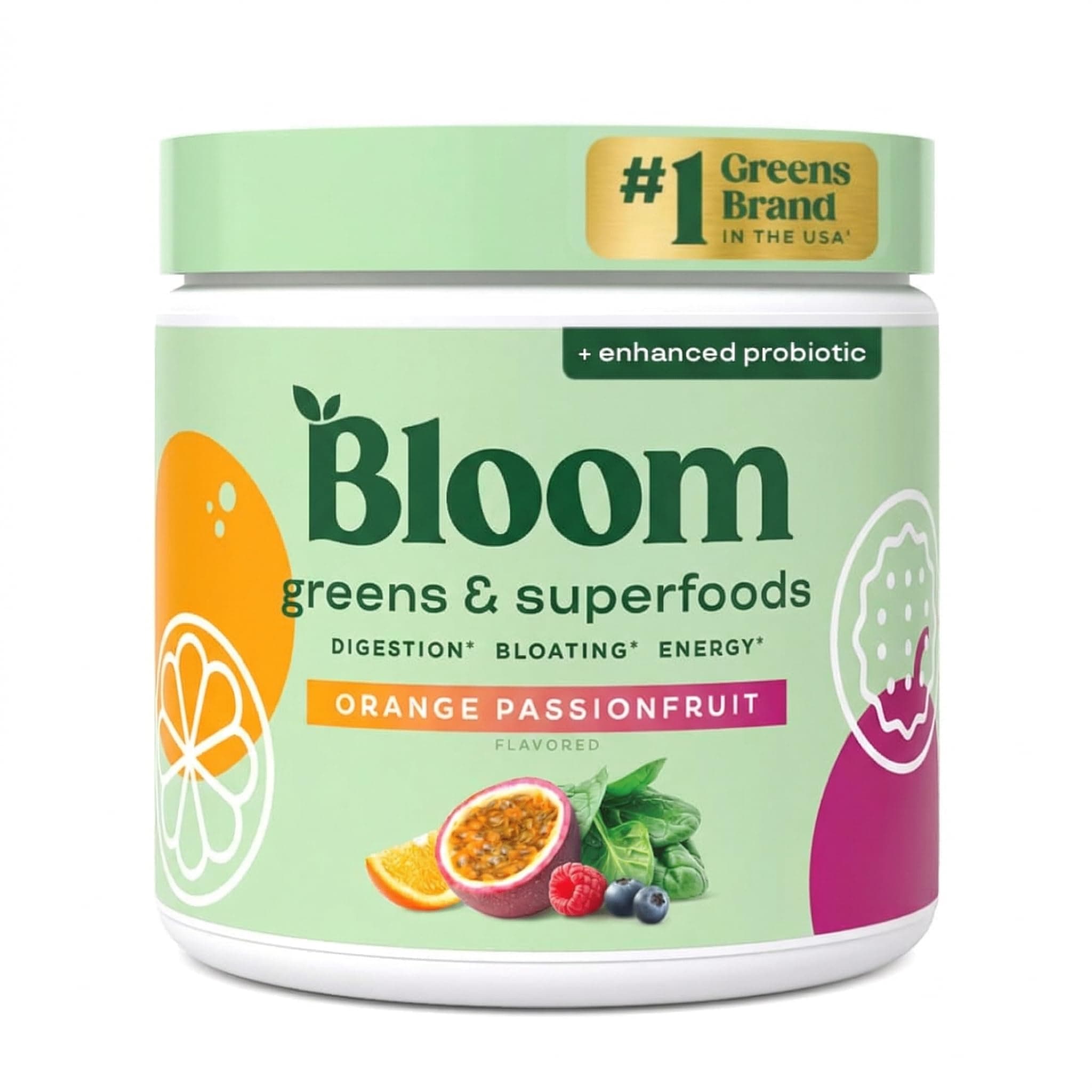
Bloom Nutrition's Superfood Greens Powder earns a qualified "Worth It" verdict, but not for the reasons you might see on TikTok. Its primary victory is flavor engineering; it has successfully made a greens powder that people actually enjoy drinking. While its clinical effectiveness for gut health and bloating is debatable due to a lack of ingredient transparency, its massive 4.5-star Amazon rating indicates that for thousands of users, taste and convenience trump nutritional nuance. It serves as a palatable entry point into daily supplements, even if it's not the most potent option on the market.
What Went Viral
Bloom Greens exploded on TikTok by solving the single biggest problem with greens powders: the taste. With over 10 million views, its success is built on a foundation of vibrant marketing, influencer partnerships, and a simple, compelling promise. Creators, often dubbed "greens girlies," showcase the powder mixed into water, looking more like a refreshing fruit juice than a swampy health drink. The narrative is consistent: this is the secret to beating bloat, boosting energy, and supporting gut health, all without the grassy, earthy flavor that makes competitors a chore to consume. The Orange Passionfruit flavor, in particular, became a star, promoted as a delicious daily ritual rather than a necessary evil.
What the Comments Actually Say
Across platforms, user feedback is a study in contrasts, splitting between taste satisfaction and efficacy skepticism.
On TikTok, the sentiment is largely driven by positive experiences with the flavor. Users frequently praise the Orange Passionfruit and Berry varieties as "super refreshing" and smooth, making it easy to build a daily habit. Many report subjective benefits like reduced bloating and a subtle energy lift. However, a significant counter-narrative exists in the comments.
A common criticism among TikTok users... is the issue of the container being half-full upon opening, leading to questions about value for money.
Reddit discussions are far more critical. Users in forums like r/gymsnark often label Bloom as an "overpriced multivitamin," pointing to its use of proprietary blends. This practice obscures the exact amount of each ingredient, making it impossible to verify if they are present in clinically effective doses. One user noted "weird lines" of static in the powder that would pop and stick to their fingers. While some Redditors report positive effects on regularity, the consensus leans toward skepticism, with many arguing that whole foods and better lifestyle habits would yield superior results.
YouTube reviews, especially from registered dietitians, echo this skepticism. While they concede the taste is a major pro, experts like Katey Davidson point out that the actual greens content (1.367g per serving) is quite low. Dietitian Rachel Gargano famously stated that if a greens powder doesn't taste like greens, she's "not convinced there's enough greens in there to make an impact."
Technical Comparison
Compared to the industry standard—either consuming whole vegetables or using a more transparently formulated supplement—Bloom prioritizes user experience over nutritional potency. A standard high-quality greens powder will typically feature a non-proprietary label, listing the exact weight of key ingredients like spirulina, chlorella, or wheatgrass, and specifying probiotic strains in CFUs (Colony Forming Units). Bloom's "Greens & Superfoods Blend" totals just 1.367g, a fraction of what's found in more robust formulas.
The trade-off is clear: Bloom offers superior palatability and mixability, making it accessible to a broader audience. The standard alternative provides verifiable nutritional data but often at the expense of taste and texture, which can be a significant barrier to consistent use.
The Catch
Beyond the hype and the pleasant taste lies the core issue: the proprietary blend. For $35, you are buying a product with unverified quantities of its key ingredients. You don't know how much chlorella, beet root, or digestive enzymes you're actually consuming. This lack of transparency means you're trusting the brand's marketing claims on faith rather than on verifiable data, a significant compromise for a health supplement.